


Are you researching what AI systems say about your industry and then reverse-engineering your content to match those responses, hoping your brand gets mentioned by LLMs?
Let me save you from this hamster wheel, because it is not sustainable in the long run.
After tracking 56 banking prompts across four AI systems (ChatGPT, Gemini, Google AI Overviews, and Google AI Mode) over two months using SEMrush LLM Visibility, I found something that should change how every SEO practitioner thinks about content planning:
a 30.6% change in recommended content formats within a single month.
The brands being cited shifted.
The formats being recommended shifted.
The platforms being surfaced shifted.
This is not a banking-industry anomaly. It is a signal that the entire content landscape is being renegotiated by AI systems on a timeline that no editorial calendar is built to handle.
You cannot beat an algorithm that changes every 30 days by chasing it.
You beat it by building a foundation so structurally sound that the AI has no reason to look elsewhere, regardless of how its outputs shift month to month. That is what this article is about.
What the prompt research data actually shows

Four measurable shifts emerged from comparing February to March 2026 responses to the same 56 prompts:
➤ 32.6% fewer brands cited per response. Average brands per response dropped from 14.1 to 9.5.
AI systems are becoming more curated, not broader. The circle of cited brands is actively shrinking, which means the cost of being outside it is rising.
➤ 30.6% format change rate in one month. Nearly a third of all matched prompts changed their recommended content format between February and March.
Landing pages as a recommended format dropped from 8 to 5 entries.
Plain blog posts rose from 10 to 13.
The AI has already classified query intent and is routing users to content that matches it, not to the page you optimized to convert.
➤ Blog posts outperforming landing pages. This is the practical consequence of the shift above. If your product landing page is the primary content you have for a query that AI classifies as informational, you are invisible in AI-generated results.
You need both assets, and the informational blog post needs to carry genuine topical authority before the landing page becomes relevant.
➤ 5x more responses referencing "2026". This was not triggered by users asking for current information. AI systems were spontaneously framing their answers as current-year relevant.
When Gemini opens a response with "In 2026, the landscape for KYC automation has shifted...", it is signaling that it is actively looking for content it can represent as current.
Content that does not send a clear recency signal is being passed over.
Track the shifts, don't chase them.
AI visibility isn't about checking whether you're cited today, it's about understanding how citations, competitors, and prompt coverage change over time.
Advanced Web Ranking helps you monitor AI visibility across your most important prompts, so you can spot trends before they become problems.
Try AWR free and see where your brand stands in AI search.
Why the 30-day cycle makes traditional content planning structurally obsolete
The Datos Q1 2026 State of Search report, drawing on large-scale clickstream data across the US, EU, and UK, shows that mid-length queries of six to nine words continued growing into 2026, with six-word queries reaching 6.3% of all searches.
Semrush's 2026 AI Search Trends report puts this concretely: users are now entering full questions like "What's the best CRM for a 50-person marketing agency with Salesforce integration that costs under $150 per user monthly?" rather than short fragments like "CRM software pricing."
This infinite long tail of unique, conversational prompts means search volume is no longer a useful planning metric for AI visibility. Every prompt is effectively unique, which means the old model of "find the keyword, build the page, track the ranking" does not map onto how AI search actually works.
The deeper issue is this: when AI systems process a query, they do not match it to a single page. Through query fan-out, they decompose the question into multiple sub-questions and retrieve fragments from across the web before assembling an answer.
A brand is not judged by one article. It is judged by the coherence of everything it has published on a topic.
If your coverage of a subject has gaps, the AI fills them with another source. Every unanswered question is a competitor's entry point.

This is why chasing format changes month to month is a losing content strategy for AI search. The 30.6% shift in recommended formats is a symptom of AI systems continuously recalibrating.
Reacting to each recalibration is expensive and always one cycle behind.
The durable response is to optimize for the variables that remain fixed across every recalibration: topical depth, structural clarity, content freshness, and third-party authority signals.
How to build a content architecture that survives 30-day AI shifts
The following steps are not about chasing what AI recommends this month. They are about building the structural foundation that keeps you in the citation pool as the pool keeps shrinking.
1. Define your prompt set before you plan any content
Before building content, map the prompts that matter. Group your target queries into three to six thematic clusters and define 40 to 60 prompts representing the real questions your audience is asking AI systems.
This is your tracking foundation. Without it, you are measuring nothing when the outputs shift.
2. Build topic campaigns, not isolated articles
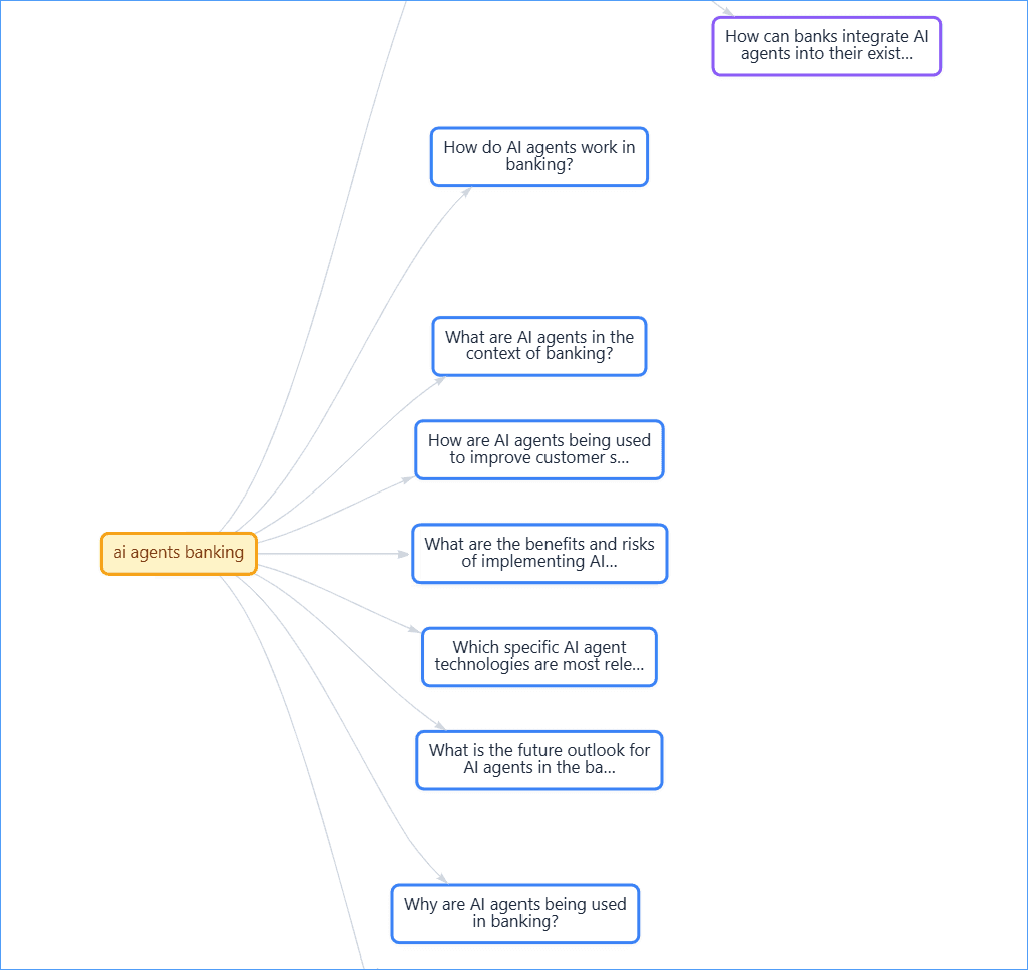
A single well-optimized post cannot survive a 30-day format recalibration. A coherent topic cluster can, because query fan-out pulls fragments from multiple pages and the coherence of the whole signal is what determines citation eligibility.
For each strategic topic, build modularly: one piece defines the concept, one compares alternatives, one addresses risks and limitations, one provides original data, one answers objections, one gives the practical next step.
Together they reinforce the same entity and authority signal from multiple directions, regardless of which specific format AI favors that month.
3. Adopt the modular content production workflow
The most efficient response to format volatility is not producing more content. It is making every core asset exist in multiple formats simultaneously.
The data showed that YouTube, Reddit, and Medium appeared as recommended formats even for technical B2B banking queries, meaning the question is no longer whether these platforms matter for your industry. It is whether you have assets there when AI comes looking.
The workflow below turns one core research asset into full AI coverage across every format the data flagged as rising.
The modular content funnel
Layer 1: The foundation asset
A research-backed long-form blog post of 2,000 to 4,000 words covering the topic in full depth. Original data, cited sources, expert perspective, and comprehensive coverage. This is the asset that gets cited in informational query responses and anchors every other format you derive from it.
Action tip: Write this first, always. Every other format below is derived from it, not created separately. This keeps your signals consistent across platforms, which is exactly what AI systems reward.
Layer 2: Video coverage
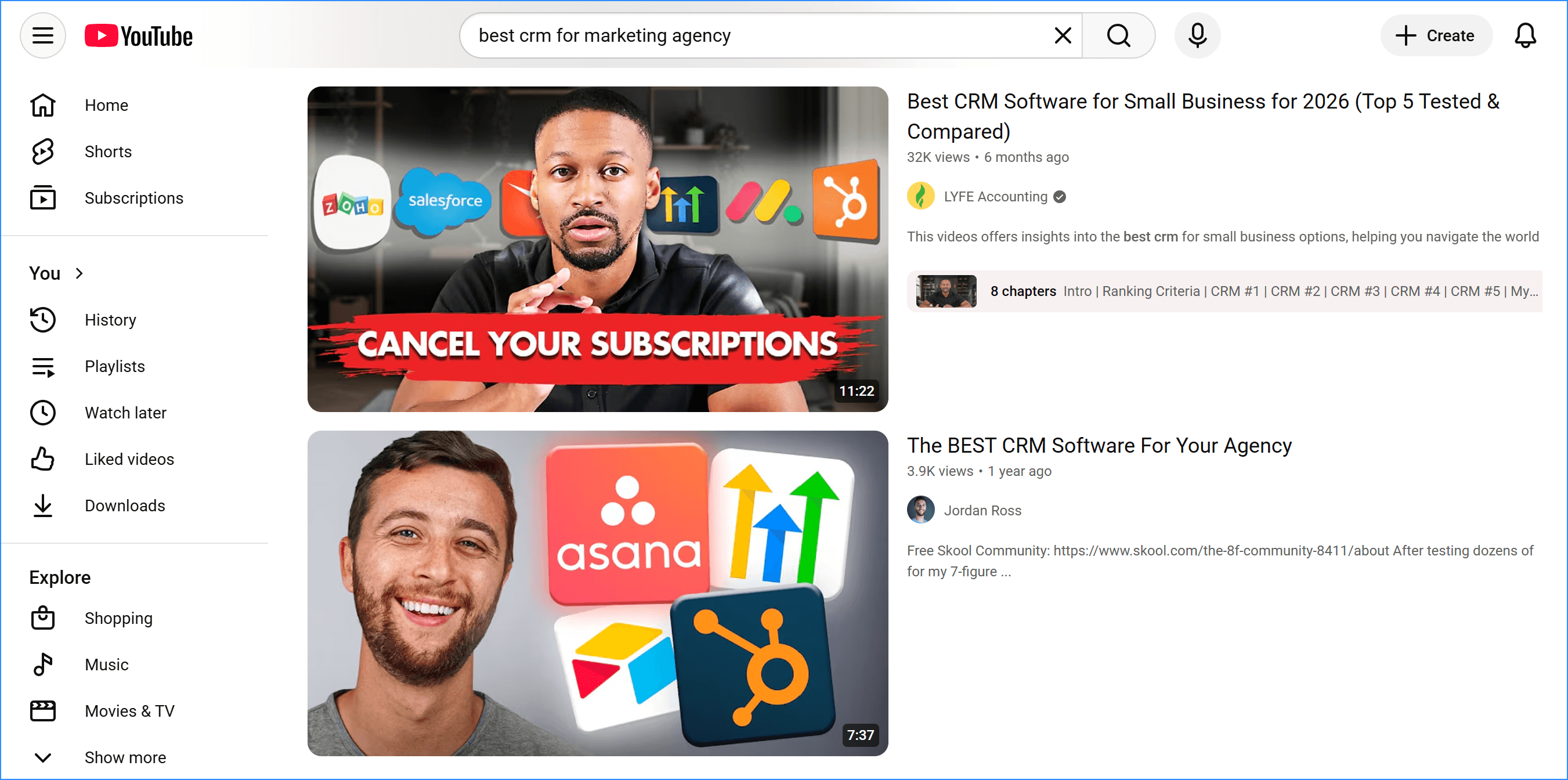
Derive a structured video script from the same core content and upload it to YouTube with full chapters, a keyword-rich description, and a complete transcript. You do not need high production value. You need structure, clear topic titles per chapter, and a description that mirrors the language of your blog post.
Pro tip: YouTube is not just the largest video platform. It is the only video platform that AI systems consistently cite in responses. Vimeo, Wistia, and other video hosts do not appear in AI-generated recommendations. If your video content lives exclusively on those platforms, it is invisible to AI retrieval. Publishing on YouTube is not a channel preference, it is a citation requirement.
Layer 3: Social signal layer
Extract three to five key data points or findings from your core asset as standalone posts for LinkedIn and other relevant platforms. These seed the social signal layer that AI systems are beginning to weigh when assessing how a brand appears in real conversations.
Action tip: Lead each post with the data point, not a teaser. AI systems and journalists both prefer citable specifics over engagement-bait framing.
Layer 4: Peer authority layer
Write a shorter, opinionated version of the same topic for Medium. Medium rewards first-person, cited, practitioner-voiced content and carries a peer-authority signal that is distinct from a brand blog post. AI systems treat these differently because the platform signals independent expertise rather than brand promotion.
Layer 5: Community validation layer
Participate in relevant Reddit threads and communities using data and findings from your core asset, not as promotion but as genuine contribution. Answer questions with your research. Add your data to ongoing discussions.
Pro tip: The Reddit thread that cites your research is more valuable for AI visibility than a paid directory link. Reddit is among the most cited sources in ChatGPT, and the conversations your audience is having there are the same ones AI systems are learning from.
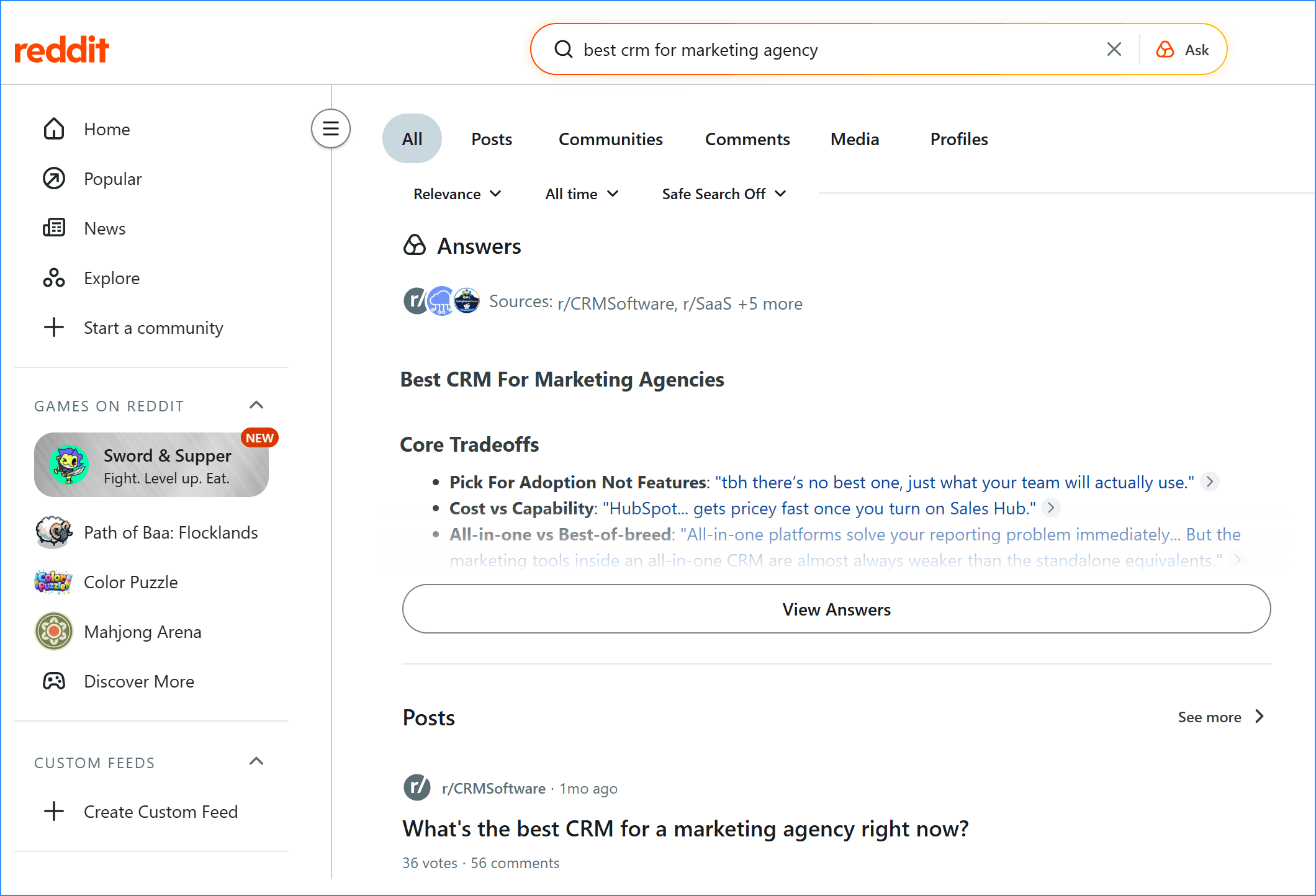
If AI is pulling fragments from your YouTube videos, Reddit threads, and Medium articles, tracking your main domain's rankings isn’t enough anymore.
Advanced Web Ranking’s multi-channel visibility tools allow you to track your brand’s footprint across external web entities, ensuring you get credit for every modular asset you publish.
Start tracking your multi-platform visibility with a free AWR trial
4. Build recency into your content systematically
The 5x increase in "2026" references is not just a content freshness signal. It is evidence that AI systems are actively selecting for content they can represent as current.
Reacting to this quarterly is not enough. Build it into your publishing infrastructure:
Use Article schema with datePublished and dateModified and update the modified date every time you refresh substantively, not cosmetically.
Include year-specific framing in titles and subheadings where natural.
Refresh statistics and data citations at least quarterly, removing outdated sources rather than stacking them alongside newer ones.
Add a "last updated" section to evergreen pieces summarizing what changed.
Treat your highest-authority pillar content like an annual report, scheduled for full refresh every 12 months with measurable data updates.
5. Build third-party validation as a core content lever, not a PR afterthought
Given that 93% of ChatGPT citations come from third-party sources, off-site content is not a distribution tactic. It is the primary citation mechanism.
Actively pursue coverage in publications your audience trusts.
Get featured in curated "best of" lists and recommendation articles.
Publish data-backed research that journalists can cite.
Become the source that Reddit threads reference when they need authoritative information.
These are the signals that remain stable across format recalibrations because they reflect accumulated credibility rather than current format preferences.
6. Write for extraction at the paragraph level
AI pulls passages, not pages. Every paragraph should be able to stand alone as a citable statement: lead with the main claim, support it with specific data or a named source within the same paragraph, and avoid burying insights inside long narrative blocks. This is not a stylistic preference. It is a structural requirement for AI extractability, and it remains constant regardless of which format AI recommends this month.
The bottom line
The brands that will hold LLM visibility over the next 12 months are not the ones copying AI responses today. They are the ones that have made it structurally difficult for AI to ignore them, through topical depth, multi-format coverage, consistent third-party signals, and a content architecture that refreshes continuously rather than reacting monthly.
The 30-day data makes one thing clear: the window to act is short. The citation pool is shrinking, the format preferences are shifting, and the question space around your core topics is being claimed right now, either by your content or by someone else's.
The strategic move is not to publish more. It is to build a foundation the AI can anchor to, regardless of how its outputs shift next month.
Take Control of Your 30-Day AI Shift
The strategic move is not to publish more. It is to build a foundation the AI can anchor to, regardless of how its outputs shift next month.
Start by understanding where you currently stand. Advanced Web Ranking's AI visibility tools give you the prompt-level data to know exactly which topics you own, which you are losing, and where the gaps are before a competitor fills them.

Article by
Ramona Joita
Ramona Joița is the SEO Consultant & Founder of Marketez, a digital marketing agency specialized in SEO, AI SEO (GEO), and Digital PR.
With 15 years of experience in the field, Ramona has developed strategies not only for brands in Romania but also for projects in the United Kingdom and the United States, markets where she was active for five years. In 2024, she was a speaker on the main stage at BrightonSEO, the largest digital marketing event in Europe, where she presented an innovative SEO forecasting model she personally created.


