
The Search Session Advent ·
20 December
LLMs read natural language. Structured data was built for other machines

Jarno van Driel
Independent Structured Data and Semantic SEO Consultant
Why Jarno’s idea matters
Yesterday’s guests argued for a well-maintained layer of structured data. Jarno, who has contributed to Schema.org since 2013, disagrees with one common belief: that you need structured data markup so AI models can understand your site.
His argument is that AI models are built to read normal human language. Structured data was built for a different kind of system, knowledge graphs, which store each fact as three linked parts, like “Paris”, “is the capital of”, “France”. It does that job very well.
Structured data is still useful, because search engines and their knowledge graphs use it. But if your client’s AI plan is only “add schema”, nobody is checking the actual text on the page. Read each page the way an AI model would, and check that the answer is written there in plain words.
Put Jarno’s idea into practice
Try with AWR
Find the pages AI reads but does not cite
Using AWR’s Prompts and Citations reports
Step 1
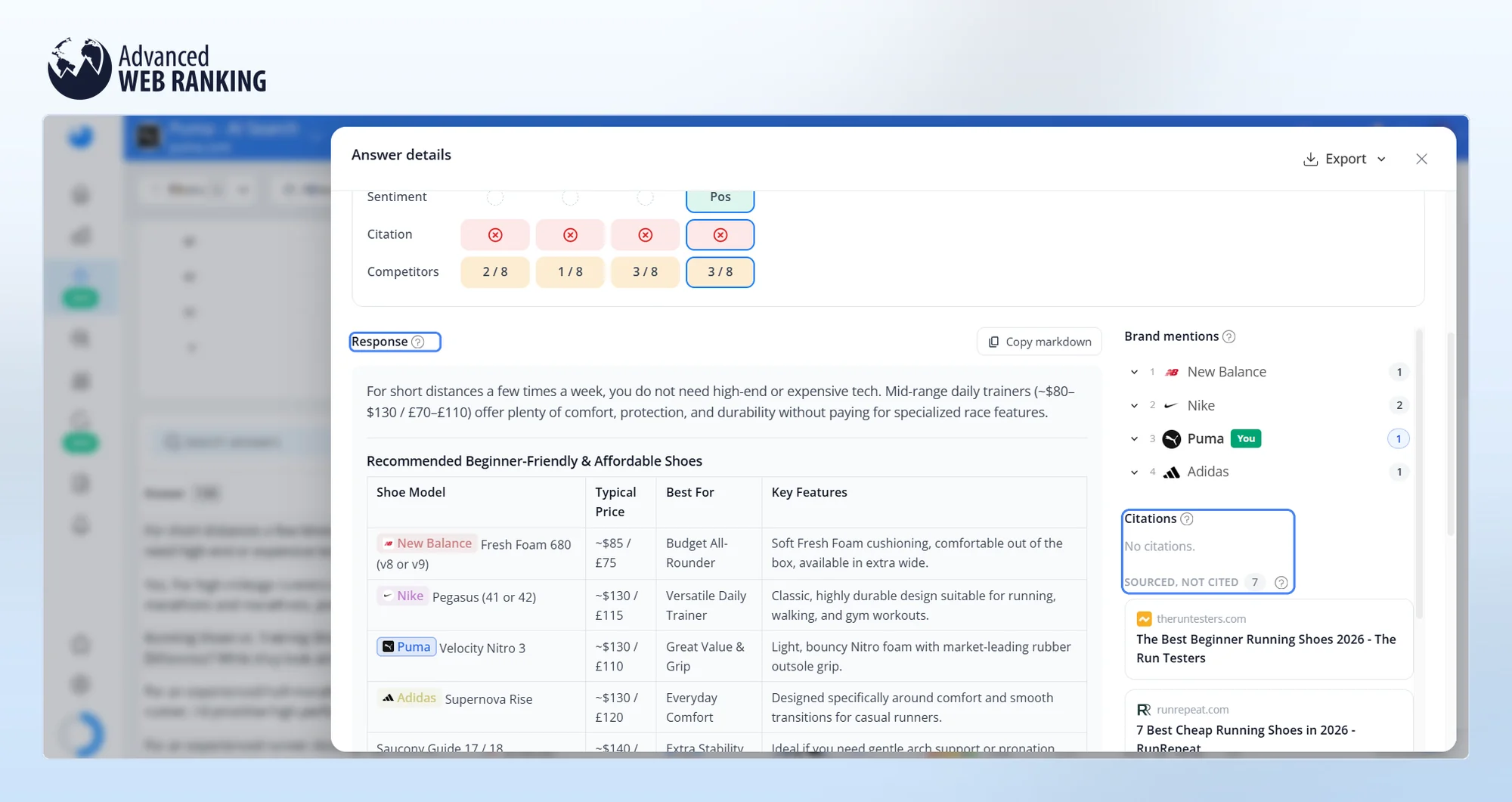
Open the Prompts report, find a topic your client covers and click a prompt. Go to the Answers tab and click an answer to see what the AI model said and which sources it cited.
Step 2
Look at the Sourced, not cited section on the right. If your client’s page is listed there, the AI model retrieved the page but did not cite it in its final answer. Read that page and check whether it answers the question directly, in plain words.
Step 3
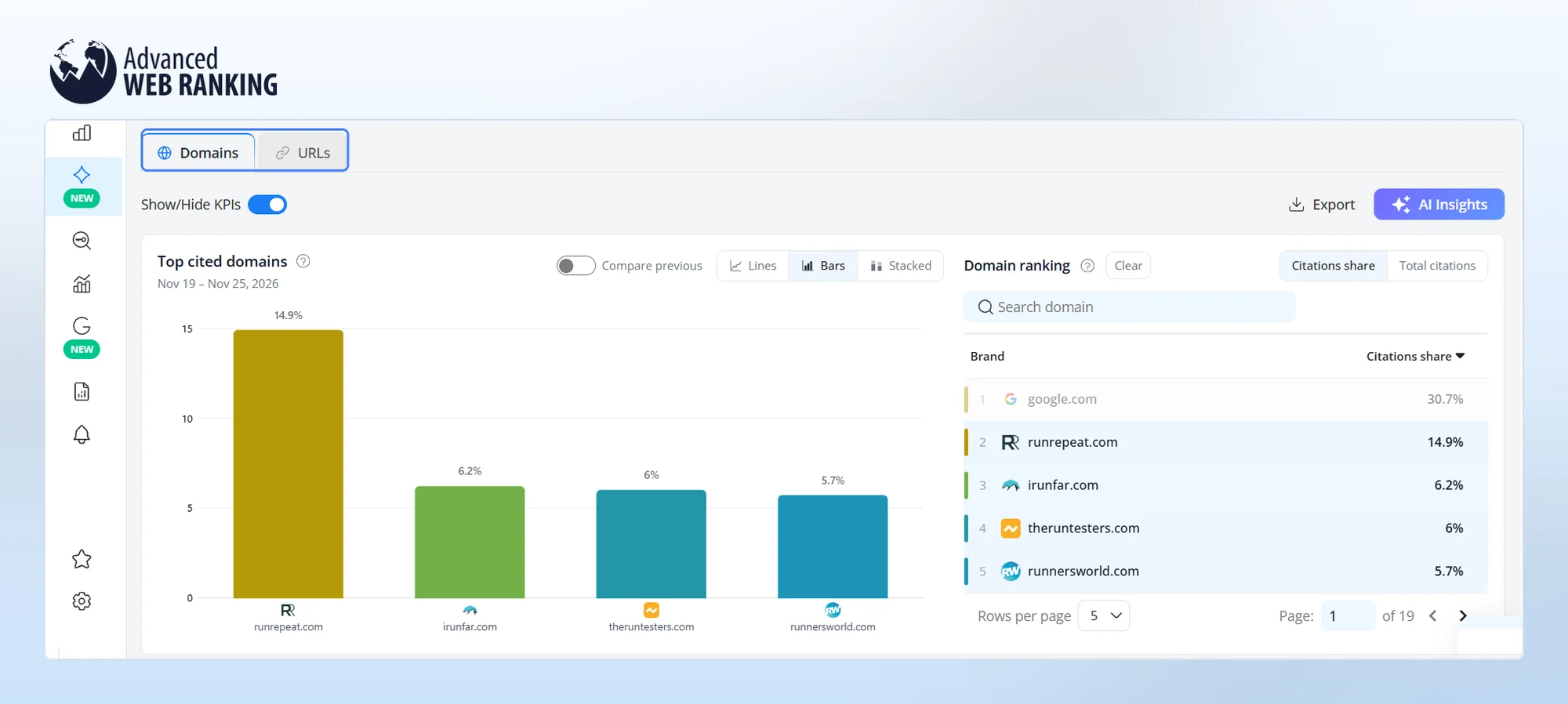
To find more pages like this, open the Citations report, go to the URLs tab and pick the topic from the Topics dropdown. Set Domain type to Owned and sort the Conversion Gap column in descending order. The pages at the top are used as a source most often without being cited.
Step 4
Compare each page with the Top Cited URLs for the same topic, and rewrite the parts where the answer is missing or hard to find.

After the changes, open the page in the Citations report, switch the chart in the Overview tab to Conversion Gap and turn on Compare previous. You want the Conversion Gap to go down and the Citation Share to go up. Check it over a few weeks, because AI answers change from one update to the next.
Learn more here: AI Found Your Content but Didn’t Cite It? Here’s How to Spot and Address Citation Gaps
More from Jarno
This idea is a small taste of what Jarno van Driel brings to search. The full conversation with Gianluca Fiorelli is worth hearing, and Jarno’s work is worth following.
← Back to the calendar