
The Search Session Advent ·
15 December
The only way to win AI search is to be everywhere

Will Scott
CEO and Co-Founder of Search Influence
Why Will’s idea matters
Will’s numbers show why you should not treat “AI search” as one channel. Across AI tools, about 73% of the sources are different from one tool to the next. He also found only a 20% correlation between the sources cited by AI Mode, Gemini and AI Overviews.
So being cited by one AI tool tells you little about the others. Your client can appear in ChatGPT’s answer for “best payroll software for small business” and be missing from Google AI Mode for the same search. The same goes for Perplexity, AI Overviews and any new AI tool.
Will’s answer is to be everywhere: create your client’s content once, then adapt it for each place the AI tools take information from. This only works if you can track each AI tool separately. Otherwise you are guessing where to publish next.
Put Will’s idea into practice
Try with AWR
Compare the sources each AI search engine cites, and find where your client is missing
Using AWR’s AI Search reports
Step 1
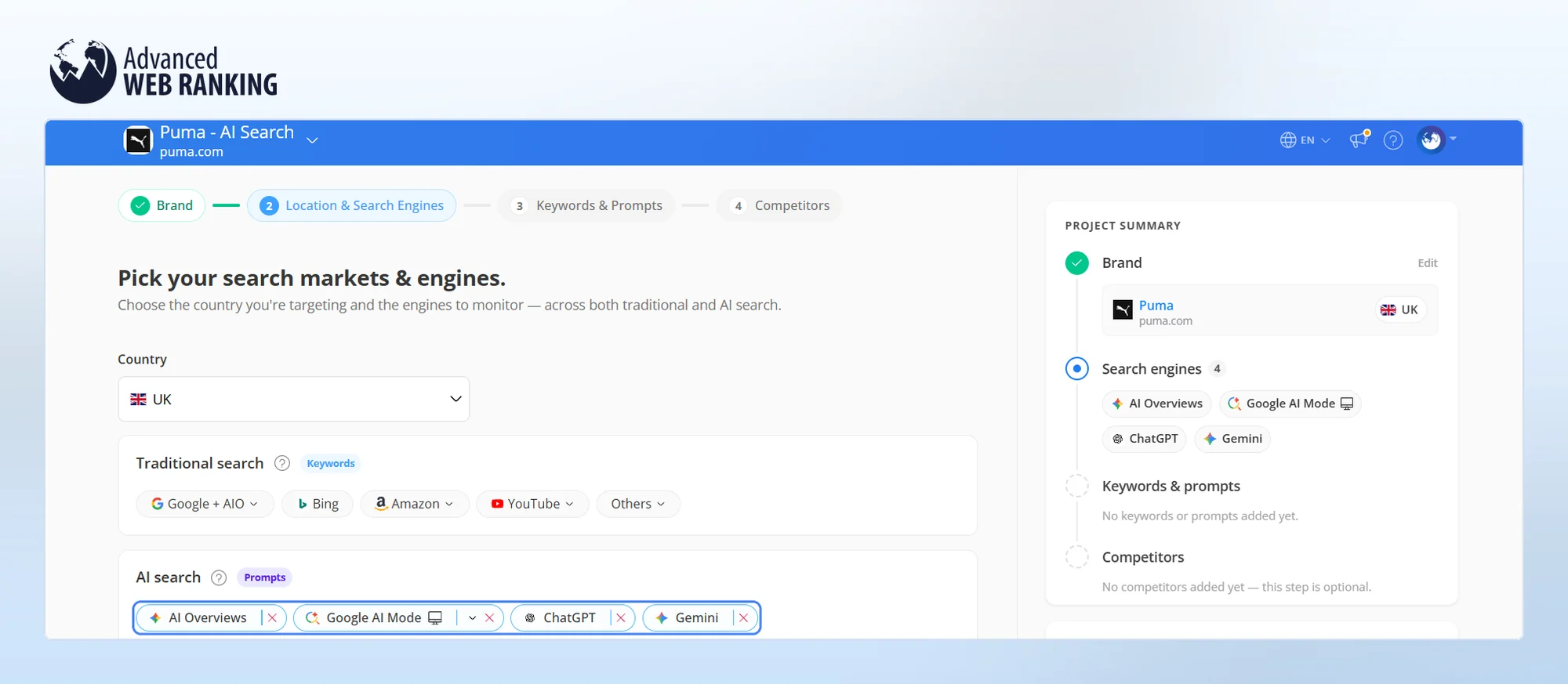
In Settings > Project Settings > Search Engines, add every AI search engine AWR tracks: ChatGPT, Gemini, AI Overviews and Google AI Mode. Then add the prompts your client’s customers ask, such as “best payroll software for small business”. Every AI search engine answers the same prompts, so you can compare them.
Step 2
Open the Overview report and switch the ranking to Models.

This shows which AI search engine favors your client and which one barely mentions them. Start with the weakest AI search engine.
Step 3
Open the Citations report. In the filter bar, pick one AI search engine under Models and note its top cited domains. Then pick the next AI search engine and do the same.
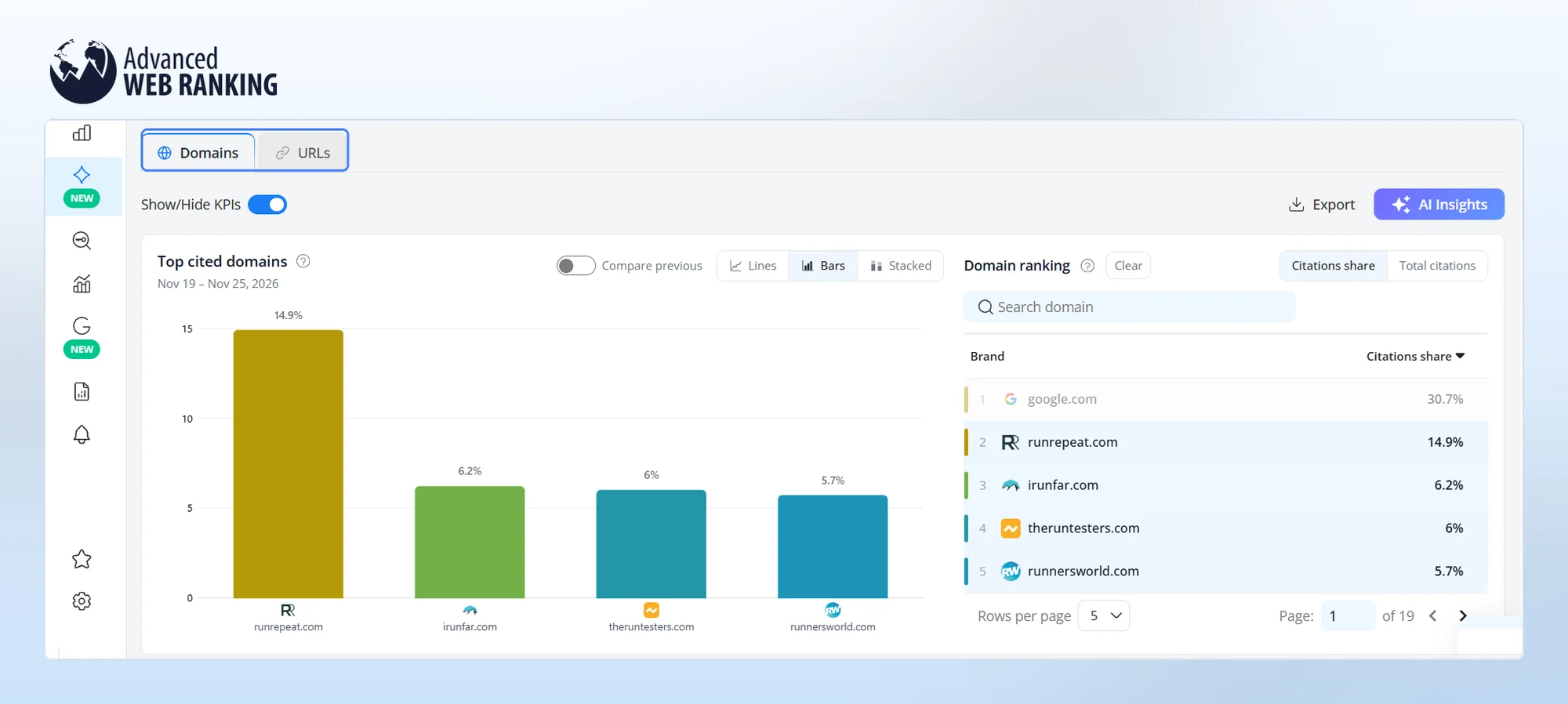
You will see the lists are different. A website one AI search engine cites often and another ignores is a place your client needs to be mentioned for that second AI search engine.
Step 4
Still in Citations, look at Displacement. It counts the prompts where a website is cited and your client’s domain is not. Check Mentions You to see if those pages already name your client.

Websites with high Displacement and no mentions are your list of places to get published on, one AI search engine at a time. To see why an AI search engine picked them, open the Answers report and click an answer.
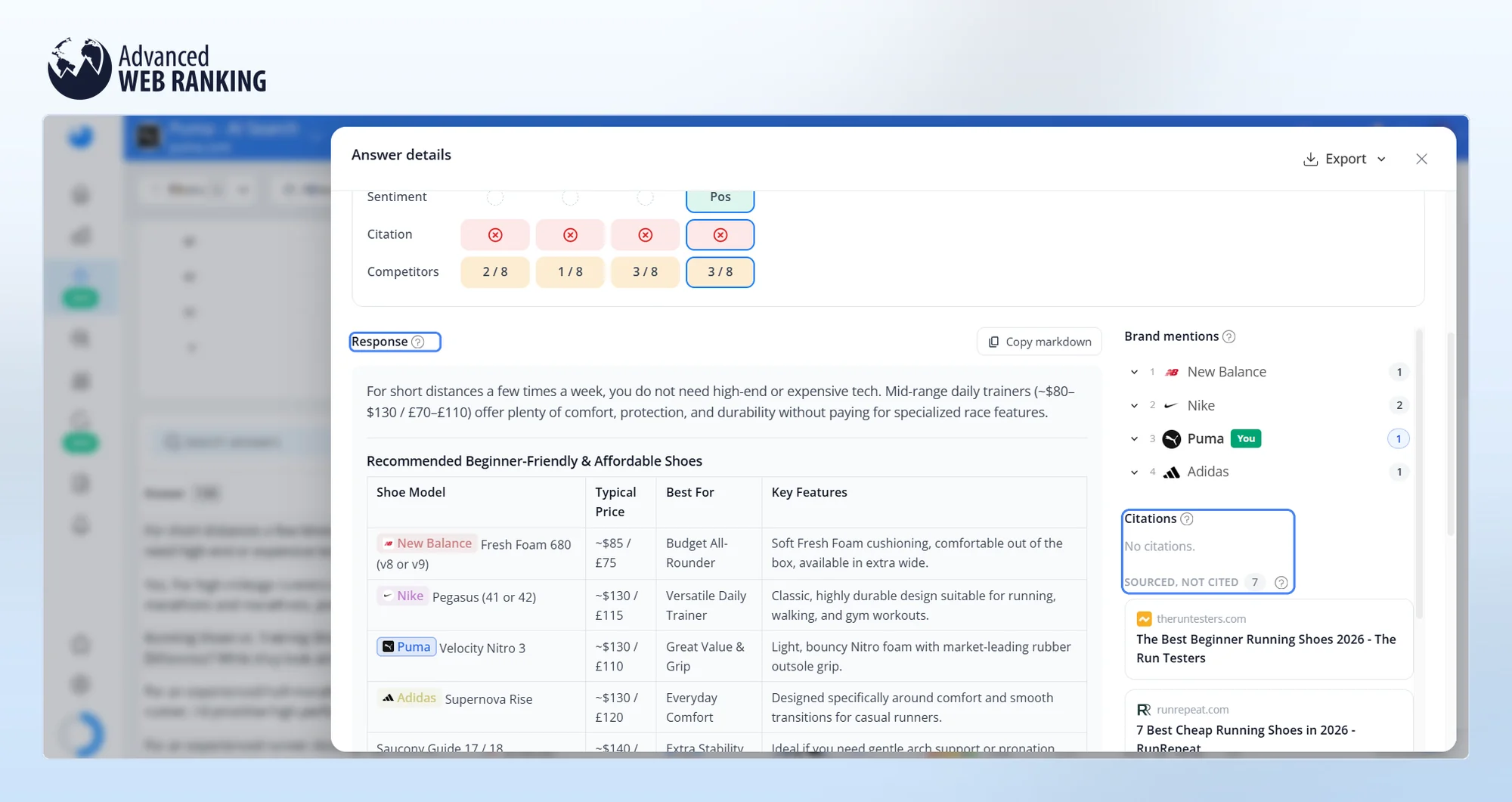
The drawer shows the searches the AI search engine ran and the sources it cited.
Learn more here: Meet AI Search: see how AI engines talk about your brand
More from Will
This idea is a small taste of what Will Scott brings to search. The full conversation with Gianluca Fiorelli is worth hearing, and Will’s work is worth following.
← Back to the calendar